Jersey History: James P. Johnson
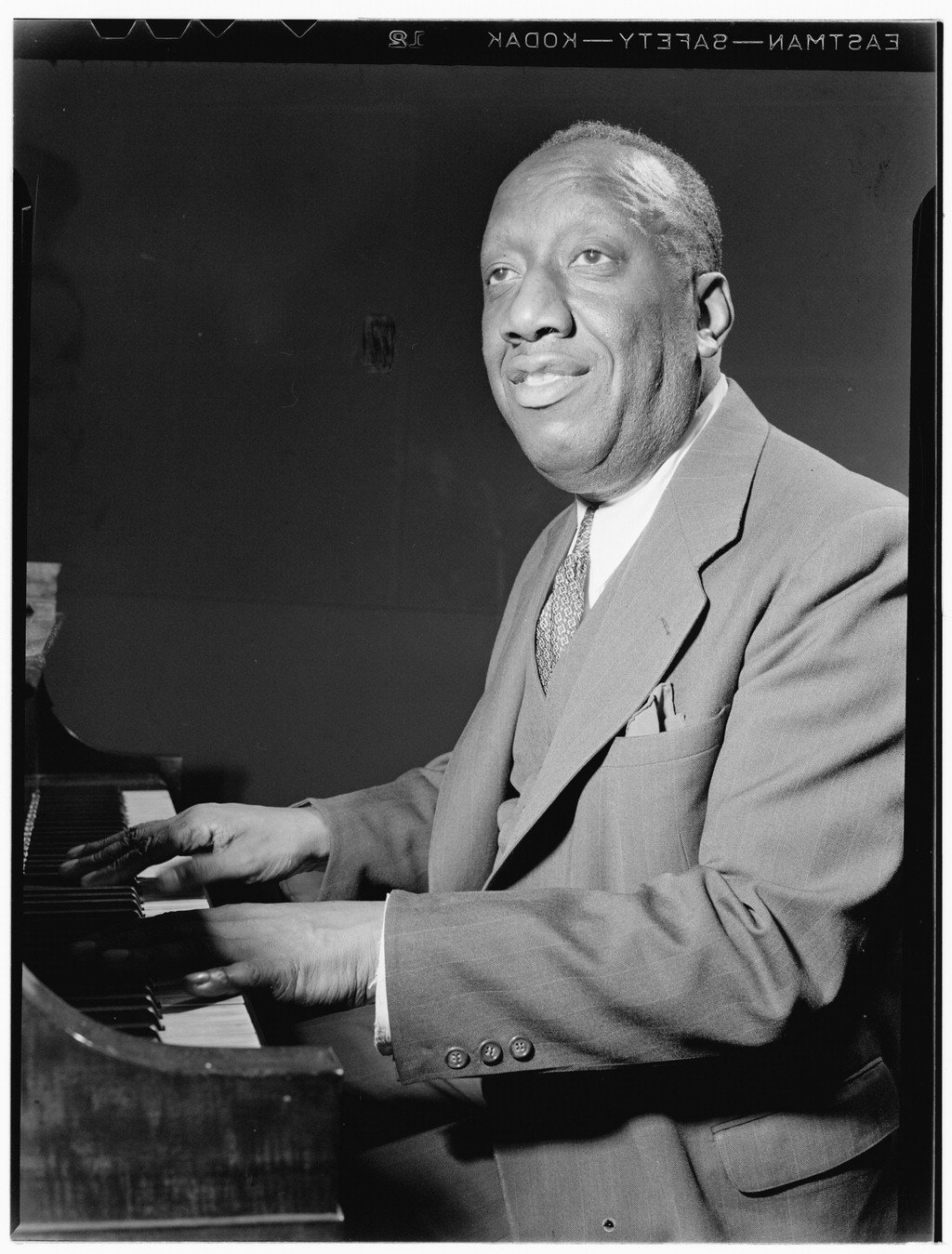
An argument could be made that James Price Johnson was the most important piano player in the beginnings of jazz music in America. Born in New Brunswick on February 1, 1894, he only lived 61 years, but his pioneering of what is called “Harlem Stride” set the scene for ragtime to evolve into jazz. His personal idiosyncratic style influenced Count Basie, Duke Ellington, Art Tatum, Thelonious Monk and, especially, Fats Waller, who was his student.
The Roaring Twenties wouldn’t have roared so long and loud if it wasn’t for Johnson. He wrote a song called “The Charleston,” for which the dance craze of the same name took hold. This one song alone made him The King of New York throughout the ‘20s and ‘30s when it was first published in 1923. Teenaged girls, called “flappers” (including my grandmother), who would go out of their way to shock people when they dared to actually smoke cigarettes in public, would do this dance after it debuted on Broadway in a musical called Runnin’ Wild. Even Chubby Checker recorded it in 1961.
Johnson wrote jazz, blues, pop, show tunes and movie scores. Famed singer-actress Ethel Waters (the first woman of color in America to have her own television program) once said, “all the licks you hear now originated with James P. Johnson and I mean all the hot licks that ever came out of Fats Waller and the rest of the hot piano boys. They’re all faithful followers and protegees of that great man. Singing at his piano made you want to sing until your tonsils fell out.”
At a time in the early 1900s, pianos were in almost every American home like televisions today. Before records were invented, hit songs were from sales of sheet music. Piano players became stars and Johnson was the biggest and the best. According to Stanford University’s “Riverwalk Jazz Collection,” Johnson was “an unassuming man with a gentle disposition. He had perfect pitch and a powerful left hand...He would spend hours playing piano in a dark room…sometimes putting a bed sheet over the keyboard and force himself to play difficult pieces…to develop his sense of touch…Johnson’s originality and virtuosity stand out over a century later.”
That same essay quotes the man himself: “When we lived in Jersey City, I was impressed by my older brother’s friends. They were real ticklers, cabaret and sportin’ house players. They were my heroes. They led what I thought was a glamorous life, welcome everywhere. If you could play, you went from one house to another. Everybody made a fuss about you. They fed you ice cream and cake. Piano players were the biggest eaters.”
He’d play rent parties and dazzle boogie-woogie style with his left hand while maintaining a rollicking ragtime beat with his right hand. The legendary blues singer Bessie Smith sought him out as her accompanist. He participated in “cutting contests” in Harlem clubs with the likes of Willie “The Lion” Smith and others. George Gershwin met him and, influenced by “The Charleston,” wrote “Concerto In F” when the two became fast friends. Gershwin, a star after his Rhapsody In Blue came out, would still love to hit the Harlem bars with his buddy, inspiring Johnson to debut his own symphonic work, Yamekraw: A Negro Rhapsody, at Carnegie Hall in 1928.
James P. Johnson suffered a second paralyzing stroke in 1951 and died four years later.