Jersey History: Jimmy Roselli
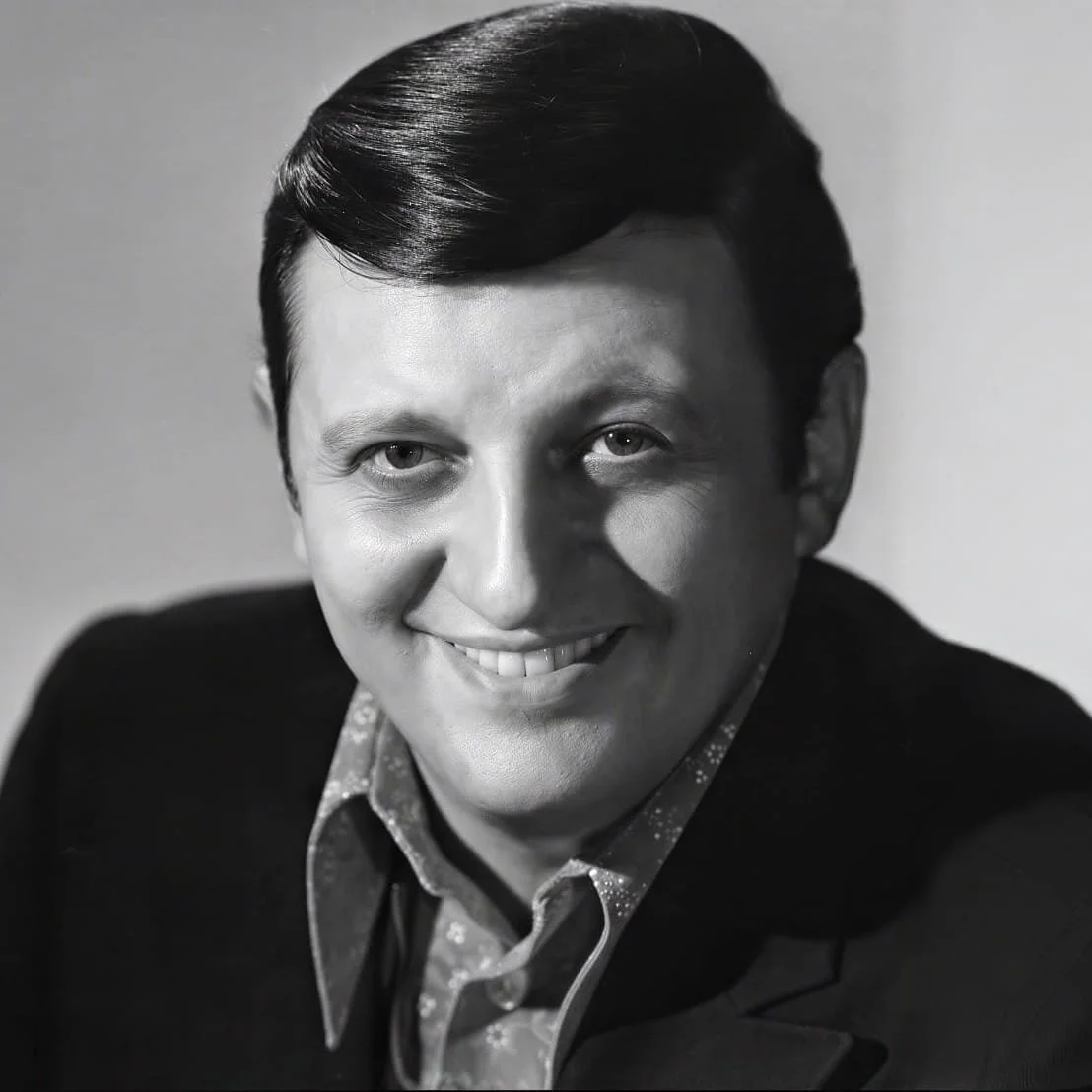
Frank Sinatra wasn’t the only crooner born in Hoboken. Jimmy Roselli [1925-2011] lived five houses away on the same street. The son of a seamstress and a boxer, he was cast adrift when his mother died two days after he was born and his father took off, not wanting the responsibility of an infant son. So he had to be raised by his grandpa who knew no English. He joined the Army, came home, married his high school sweetheart, and had a daughter. He took a job in construction when money became tight during his days as a piano player. His big break came when he opened for comedian Jimmy Durante [1893-1980] in Boston.
His 1963 Showcase debut contained the hit “Mala Femmena” which sold three million records. In 1967, “There Must Be A Way,” reached #13 and “All The Time” reached #19. His last hit, “Please Believe Me,” was in 1968, but only made it to #31.
When the hits dried up, he rebounded and became a national attraction at casinos and saloons for decades. Unlike Sinatra, who always denied his Mafia connections, Roselli glorified it to the point of becoming known as THE Mob Singer. He sang in Italian and was a hero to Italian-Americans. Hollywood Director Martin Scosese used his music when making Mean Streets. Jerry Lewis once said of him, “that Roselli sings as an Italian should sing.” England discovered him in the ‘80s and he became a huge hit abroad. It led to him headlining shows at the London Palladium and then back home in Atlantic City.
In 1999, Making The Wiseguys Weep: The Jimmy Roselli Story, by David Evanier, was published. He is also prominently featured in the 1988 book Donnie Brasco: My Undercover Life In The Mafia, which was made into a successful Hollywood movie starring Al Pacino and Johnny Depp. The clip below was broadcast on CNN in 2000.