Jersey History: Larry Young
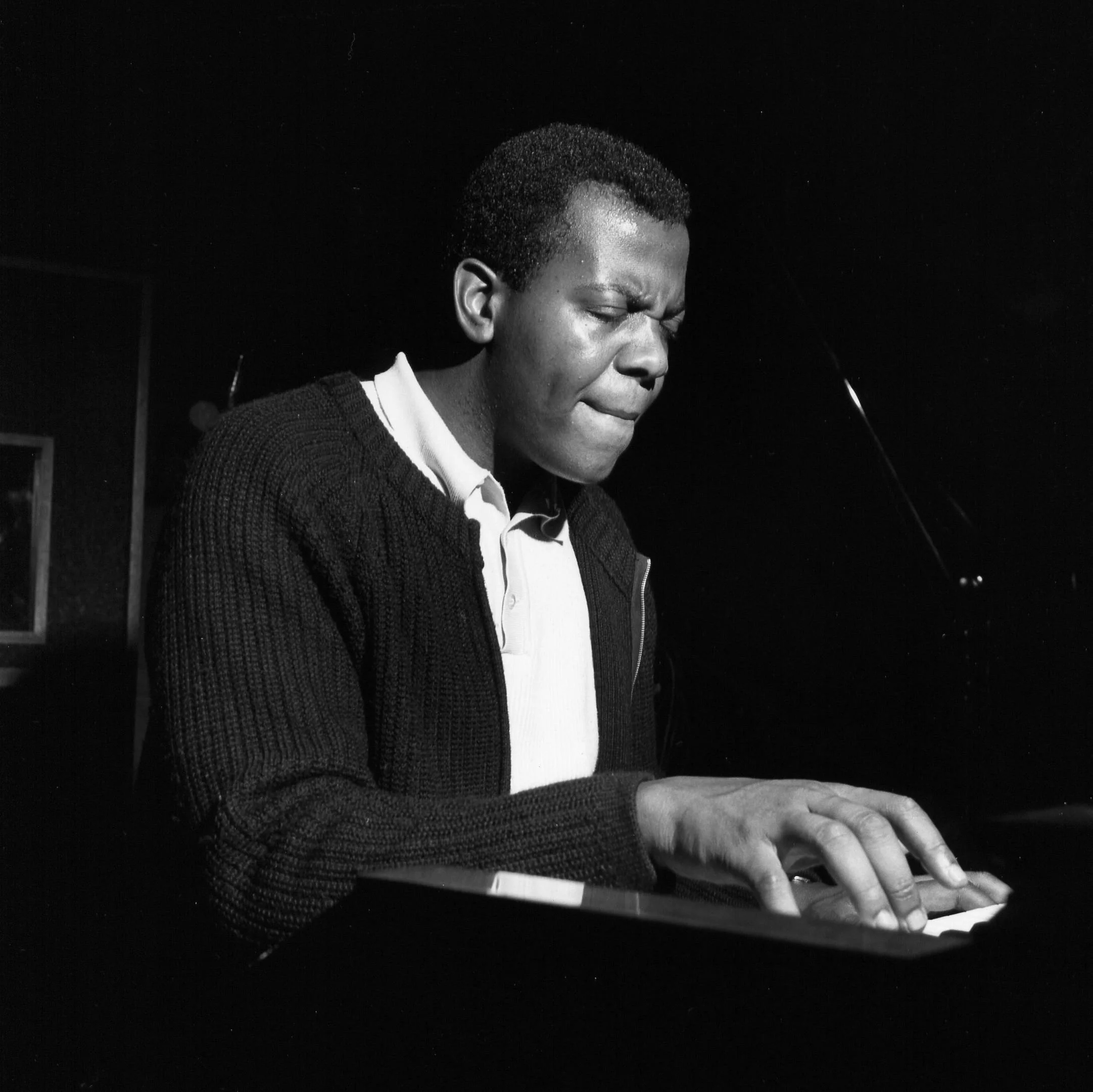
Newark organist Larry Young made his recording debut in 1960 at the age of 20. Sadly, he wouldn’t live to see 40 as pneumonia cut short what would have most likely been a long and pioneering career. He’s already looked upon as one of the building blocks of jazz-rock fusion. When he left John Coltrane’s band, he took jazz to a whole ‘nother realm with his 1965 groundbreaking Unity album. Four years later, his Emergency album signaled the fusion ascent. When he left the band of Miles Davis in 1971, after recording the seminal Bitches Brew, he went total avant-garde on his Lawrence Of Newark album in ’73. In fact, it was so out-there, it took two years to be released. By ’75, he was breaking new ground with his Fuel so he had two of the most courageous and daring jazz albums in stores at the same time. He wasted no time as Spaceball came out in ’76 and holds up today as a spectacular assemblage of talent and smarts utilizing the type of rhythmic grooves that wouldn’t become popular with the masses for years. Many of the top names in jazz-rock fusion wanted him. Thus, he recorded Emergency in ’69 and Turn It Over in ’70 with The Tony Williams Lifetime as well as Love Devotion Surrender with Santana in ’73.
When he discovered synthesizers, the sky was the limit. He took the kind of modal scales that Miles was experimenting with to add color, drones and atmosphere to his mix. In fact, he began to be written about as “The Coltrane of the Organ.” His fiery jamming and complex riffs even became a model for prog-rock bands of all stripes. Clearly, Larry Young was an innovator who never stopped searching.