Jersey History: Bobby Lewis
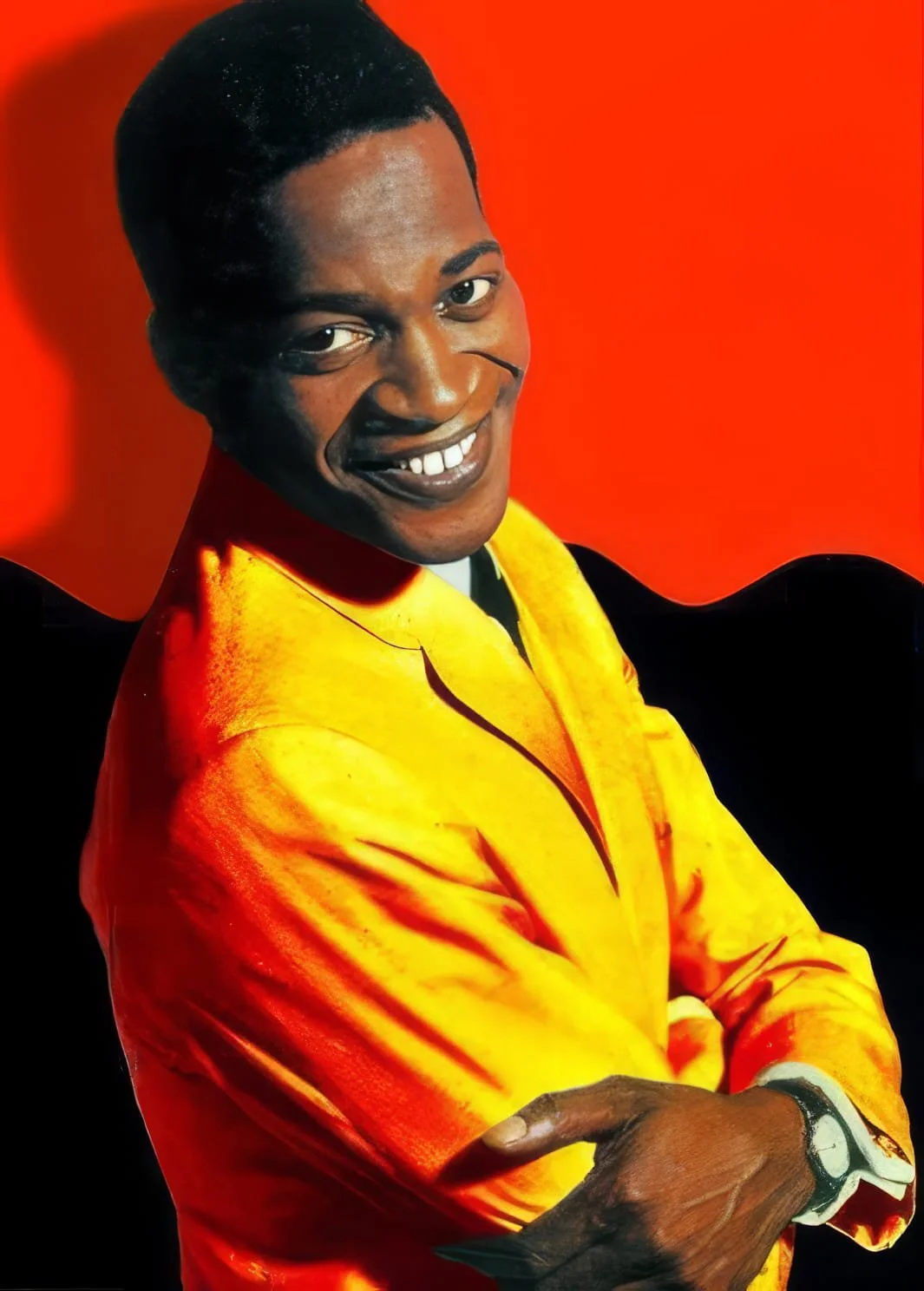
The year was 1960. It was a fallow period for rock’n’roll. Elvis was in the Army. Buddy Holly and Eddie Cochran were dead. Gene Vincent was in the hospital. Little Richard was in the ministry. Chuck Berry was in jail. The Everly Brothers went country. Jerry Lee Lewis was ostracized for marrying his 13-year old cousin. A stench of teen idolatry ruled the airwaves and dominated the charts what with Frankie Avalon, Bobby Rydell, Paul Anka, Fabian, Ricky Nelson, Pat Boone (ugh!) and Bobby Vee. The Beatles hadn’t yet arrived to save real rock’n’roll. In the midst of this cultural doldrum, a cat named Bobby Lewis came out of nowhere to rock the jukebox with a stunning sliver of pure adrenaline called “Tossin’ And Turnin’.”
Born in Indiana, raised in an Indianapolis orphanage, he was adopted by a Detroit couple but ran away at 14 where he worked in carnivals before he was hired to sing in the Leo Hines Orchestra. That’s where Jackie Wilson’s manager, Nat Tarnopol, discovered him and got him a deal with Chess Records to record “Mumbles Blues” in 1952.
Eight years later, he moved to New York City and recorded “Tossin’ and “Turnin’” for the Beltone label. By 1961, it had sold over a million copies, topped the charts for seven weeks straight and he was a star. Its follow-up, “One Track Mind,” made it to #9 in 1962. But by 1963, Beltone Records went out of business. He got picked up by ABC-Paramount but couldn’t buy a hit.
Somewhere during his stardom, he appeared on American Bandstand. I was watching and couldn’t believe what I saw. He twisted and turned and jumped and skipped all over the stage, lip-syncing the song as the white teenagers went crazy. Dick Clark was so taken with the performance that he did something he never did. He yelled at his crew to cue up the song again and shouted for Lewis to “do it again!” It was the only time on American Bandstand any performer was asked to do the same song a second time! Now Lewis really went apeshit, doing splits, acrobatic moves, sweating, yelling, rocking like there was no tomorrow. It was a moment of televised rock’n’rolll insanity that was, sadly, not captured for posterity.
Lewis kept touring throughout America for the next few decades, mostly on oldies revues, but never had another hit. He went blind and was relegated to a life at home in Newark from 1980 to 2011 before moving back to Indianapolis where he died at 95 in 2020.