Jersey History: Richard “Groove” Holmes
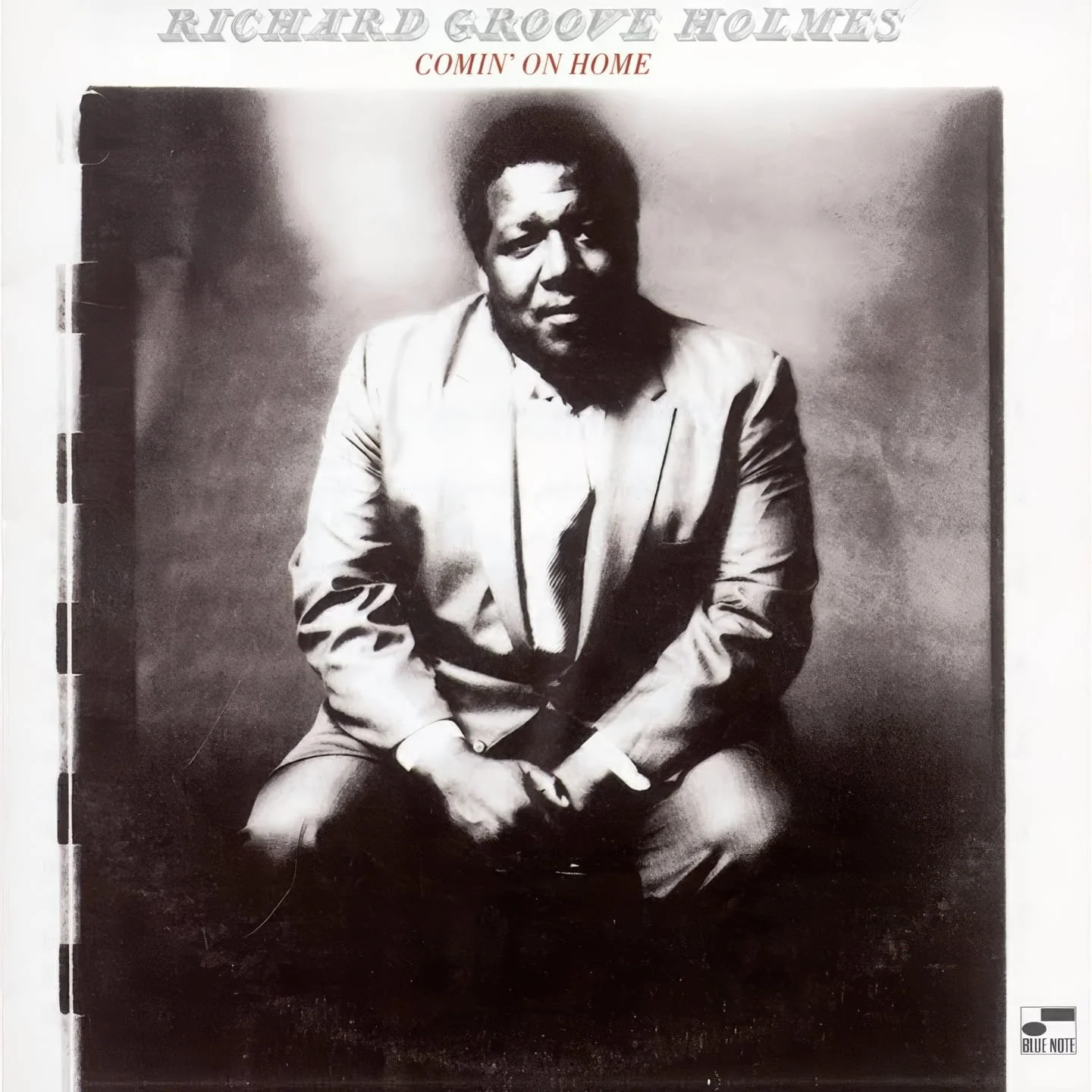
Richard Arnold “Groove” Holmes [1931-1991] was born in Camden, and played some of the hardest bebop anyone ever attempted on the organ. Morphing into what was euphemistically called “soul-jazz,” he had his biggest hit in 1965 with “Misty,” originally written and recorded by pianist Erroll Garner [1921-1977] in 1954. Lyricist Johnny Burke added words in 1959 for Johnny Mathis to sing and it rose to #12 on the pop charts. But it was Newark’s Sarah Vaughan who recorded the ultimate version that same year in Paris with Quincy Jones. The Count Basie Orchestra did it in 1960 as straight-up swing. The 1971 Clint Eastwood movie, Play Misty For Me, brought the song worldwide attention. Ray Stevens did a hit country version in 1975.
But Richard, a true seeker, kept changing. After starting out as a Jimmy Smith acolyte, and flirting with jazz-rock fusion, Holmes found his “Groove” in a multi-genre format, be it the grittiest of blues, the most holy gospel, the most entertaining and frivolous pop, and the most sentimental of ballads. He was a superstar in the Black community, very accessible, straightforward and warm in both his music and his relationship with his fans.
By the tine he signed with Pacific Jazz on the West Coast, he was a South Jersey/Philadelphia hero. His recordings and concerts with the likes of revered sax man Ben Webster of Duke Ellington’s band, as well as another revered saxophonist Gene Ammons (the funky progenitor of his own brand of instrumental soul), proved that Groove could groove in almost any sub-genre of jazz. He even had live organ battles with Jimmy McGriff in the early ‘70s, each organist hellbent to outdo each other.
When he went all-electric, he garnered a whole new audience of kids raised on rock. Another titan of the tenor sax, Houston Person, became part of his retinue. Hippies loved him and called him The Groove Man, as you might say he was an early jam-band precursor. His celebrated show at the Spectrum in 1967 Philadelphia was an in-demand ticket. Even after he was diagnosed with prostrate cancer, he kept touring and recording right to the end, performing his last few shows in a wheelchair until a heart attack stopped him dead at 60.